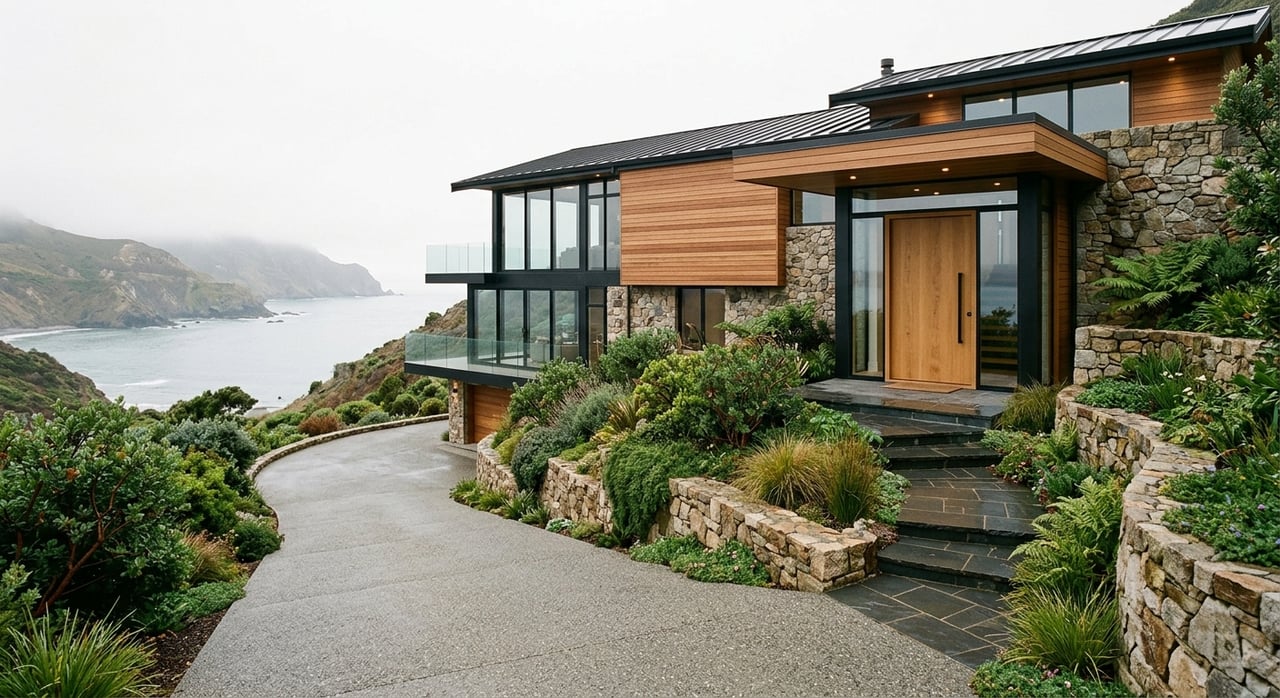
Buying land or evaluating a new build near Carmel can look simple from the outside, but the real story is usually in the details. A beautiful parcel, a view, or even an existing structure does not automatically mean a straightforward path to building. If you are considering land or new construction in this part of the Monterey Peninsula, knowing what to review early can save you time, protect your budget, and help you make a more informed decision. Let’s dive in.
Start With Jurisdiction
One of the first and most important questions is where the parcel actually sits. Near Carmel, that means confirming whether the property is within the City of Carmel-by-the-Sea or in unincorporated Monterey County.
That distinction matters because the approval path can change significantly. Carmel-by-the-Sea operates under a certified Local Coastal Program, while nearby unincorporated areas may fall under Monterey County plans such as the Carmel Area Land Use Plan or the Del Monte Forest Area Land Use Plan. Different jurisdictions can mean different standards, timelines, and review bodies.
Why the review path matters
In Carmel-by-the-Sea, most building or site changes require some level of review. Some projects may qualify for staff-level design study, while others go before the Planning Commission.
If a property or structure has historic status, the process can become more involved. The city notes that designated historic resources cannot be demolished, so this can be a major factor if you are evaluating a teardown or extensive redevelopment plan.
County parcels can follow a different process
In Monterey County’s coastal area, discretionary projects require a coastal permit. The county also applies design approval in certain areas, including Carmel and Del Monte Forest, with review of the project’s appearance, location, size, materials, and colors.
For many buyers, this means a parcel should never be evaluated on price and views alone. The governing jurisdiction often shapes what is realistically possible.
Evaluate Whether the Site Truly Fits a Build
Near Carmel, site fit often drives feasibility more than buyers expect. A lot may look appealing on paper, but slope, shape, visibility, trees, and access can all affect how the property performs.
The Carmel Area Land Use Plan places strong emphasis on scenic protection. Development within the viewshed is expected to remain subordinate to the natural setting, with structures located on the least visible part of the parcel whenever possible.
Topography can limit what you build
Steep or irregular sites deserve close attention. Carmel design guidance recommends following natural contours, minimizing excavation and fill, using stepped foundations on steeper slopes, and avoiding tall retaining walls when possible.
The city also notes that the maximum allowed floor area may not always be achievable on sites with steep slopes, significant trees, or unusual lot shapes. In practical terms, a parcel may be legally buildable but still require design compromises that affect value, layout, or cost.
Visibility affects design decisions
In this area, a home is not judged only by what it adds to the lot, but also by how it sits within the landscape. County guidance encourages development that minimizes visual impact, tree removal, grading, and intrusive access roads.
That is why view potential should be considered together with grading, massing, and placement. A dramatic setting can come with stricter expectations about how visible a home, driveway, or utility layout will be from surrounding areas.
Review Access Early
Access is another issue that deserves attention well before an offer is finalized. A parcel may seem usable until driveway placement, road conditions, slope, or sightline concerns are reviewed more closely.
Monterey County planning guidance prefers use of existing roads and driveways where feasible. It also discourages new roads that intrude on public views and directs new roads or driveways to avoid steep slopes and follow natural topography.
Driveway and road work can trigger more review
If a build requires a new driveway, substantial grading, or road improvements, that can affect both approvals and budget. In some cases, access design becomes part of the broader conversation about visibility, site disturbance, and environmental sensitivity.
For buyers and investors, this is one of the reasons due diligence on land near Carmel often involves more than a quick look at a parcel map. Access can influence both feasibility and timeline.
Confirm Water and Sewer Before You Underwrite the Deal
Water and sewer should be checked at the start, not after you have mentally committed to the property. In this market, utility feasibility is a core part of evaluating buildability.
The Monterey Peninsula Water Management District requires a permit for any new or amended water distribution system unless an exemption applies. Its materials include water release applications and landscape documentation forms, which signals that water review is part of the early feasibility picture.
Water is not a late-stage detail
If you are comparing land opportunities, water entitlement should be part of your first review. A parcel may have strong location appeal but still require more time, expense, or coordination than expected.
This is especially important when you are building financial assumptions around timing. Delays or complications tied to water review can change the shape of the investment.
Sewer service needs the same attention
Carmel Area Wastewater District notes that if a property is not already served, a new residential connection application, connection fees, and a lateral construction permit are required. If no public sewer is nearby, a sewer extension may also be necessary.
CAWD also requires plumbing permits for private sewer laterals and plans for new laterals. In other words, sewer feasibility can be just as important as water when you are assessing total project scope.
Design Should Respond to the Land
In and around Carmel, strong design is about more than style. It is about how the home relates to the terrain, surrounding setting, and architectural context.
Carmel’s design approach emphasizes human-scale buildings, forest character, and sensitivity to neighboring properties. The city also notes material and window expectations, including unclad wood divided-light windows as the standard, while vinyl is not considered appropriate.
A view does not override site sensitivity
It is natural to focus on orientation and outlook when evaluating a luxury build. But on sloped or view-sensitive parcels, successful design usually depends on balancing views with contour-following massing, stepped foundations, and limited visible grading.
County guidance similarly expects structures, roads, utilities, and lighting to remain low in visibility and subordinate to the landscape. That means the best new builds near Carmel are often the ones that feel carefully placed rather than imposed.
Height and redevelopment limits matter
The city allows a maximum of two stories, with additional overlay limits in some areas. If there is already an older structure on the parcel, historic review may also come into play.
According to the city, properties more than 50 years old may require historic evaluation before exterior permits are issued. If a structure is determined to be historic, demolition is not allowed, which can materially affect redevelopment plans.
Trees and Vegetation Can Shape the Project
Tree and vegetation constraints are often a major part of land evaluation near Carmel. In some cases, they influence placement, grading, driveway design, and how much of a building envelope is realistically usable.
The city requires construction-site tree removal permits at relatively small thresholds. Monterey County also regulates native tree and vegetation removal and may require input from an approved arborist or biologist.
Why this matters before you make an offer
If your concept relies on tree removal, expanded access, or substantial site clearing, you should understand that early. Even when a lot is attractive from a location standpoint, vegetation constraints can change design assumptions and consultant needs.
This is one more reason land underwriting in the Carmel area is often multidisciplinary. The parcel itself may call for coordination among planners, architects, engineers, surveyors, geotechnical consultants, arborists, and utility agencies.
Key Questions To Ask Before You Commit
Before you move forward on land or a new build near Carmel, it helps to organize your review around a few practical questions:
- Is the parcel in Carmel-by-the-Sea or unincorporated Monterey County?
- Which local coastal or area plan governs the site?
- Is there a realistic buildable area after accounting for slope, trees, access, setbacks, and height limits?
- Will the project likely require coastal review, design approval, or a public hearing?
- Are water and sewer permits feasible within your budget and timeline?
- Could tree removal, grading, retaining walls, or driveway work trigger added approvals or consultant reports?
- Is there an existing structure that may need historic evaluation?
These questions can help you move beyond surface appeal and toward a more complete understanding of risk, opportunity, and timing.
A Thoughtful Approach Pays Off
Land and new-build opportunities near Carmel can be compelling, but they reward careful analysis. In this market, the best decisions usually come from understanding the site, the jurisdiction, the approval process, and the physical realities of building in a scenic coastal setting.
Whether you are searching for a custom homesite, evaluating a redevelopment opportunity, or weighing a design-forward new build, informed guidance matters. If you are considering land or new construction along the Central Coast, Michele Altman offers discreet, locally grounded insight shaped by years of experience with Carmel-area properties, architecture, and complex coastal transactions.
FAQs
What should you check first when evaluating land near Carmel?
- First, confirm whether the parcel is in Carmel-by-the-Sea or unincorporated Monterey County, because that determines which planning rules and approval process apply.
Why does jurisdiction matter for a new build near Carmel?
- Jurisdiction affects whether your project may need coastal review, design approval, Planning Commission review, or other local approvals under city or county rules.
How do slopes and terrain affect buildability near Carmel?
- Slopes, unusual lot shape, and natural contours can affect grading, foundation design, retaining walls, and even whether the full allowed floor area is practical on the site.
Why are water and sewer important when buying land in Carmel?
- Water and sewer feasibility can affect cost, timing, and whether the parcel can support your building plan, so both should be reviewed early in the process.
Can trees affect a land purchase near Carmel?
- Yes. Tree and vegetation regulations may limit removal, require permits, and add consultant review, which can influence site design and overall feasibility.
What if the property already has an older structure on it?
- In Carmel-by-the-Sea, structures over 50 years old may require historic evaluation before exterior permits, and a designated historic resource cannot be demolished.
What makes land evaluation near Carmel more complex than in other areas?
- Carmel-area parcels often involve overlapping considerations such as coastal rules, design review, visibility standards, access constraints, trees, grading, water, sewer, and possible historic review.