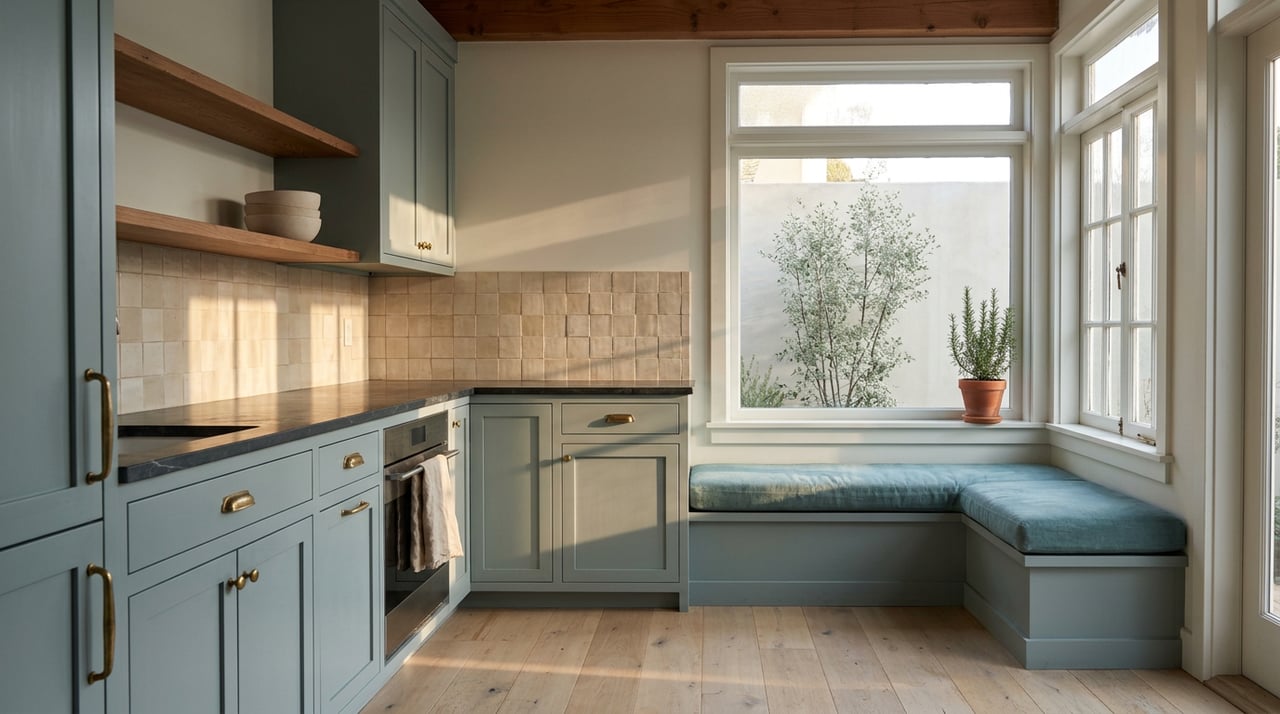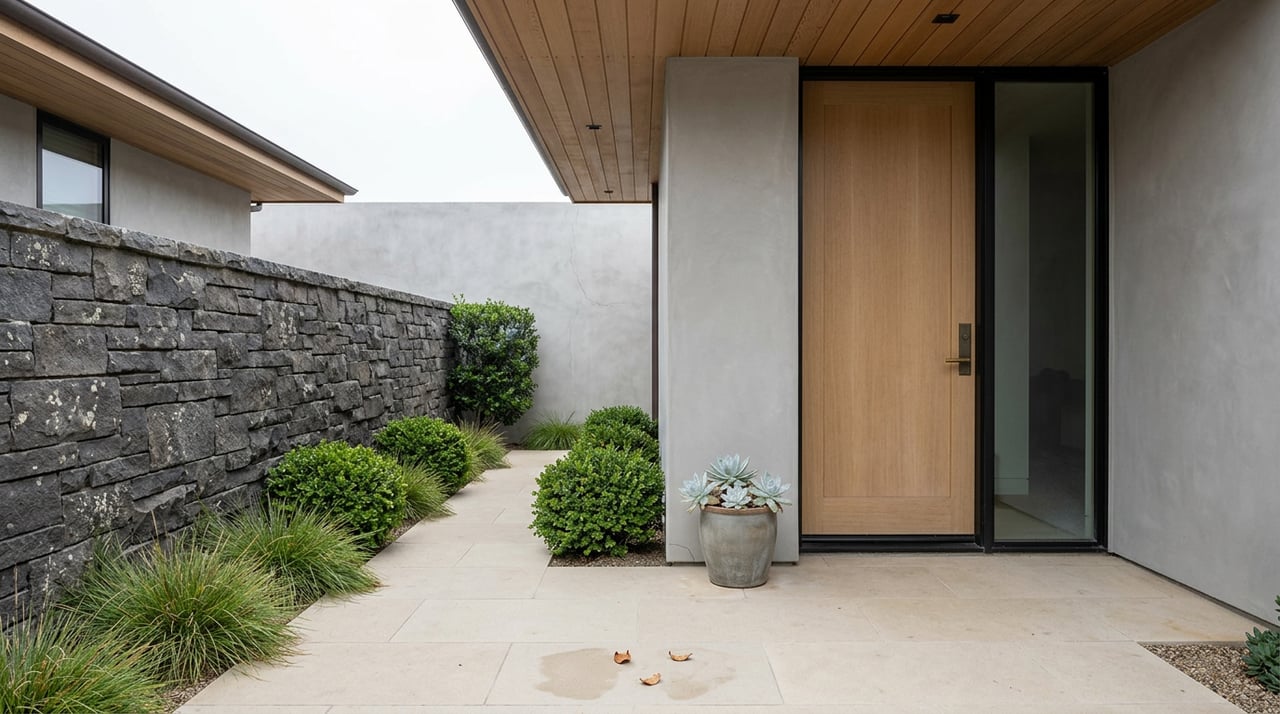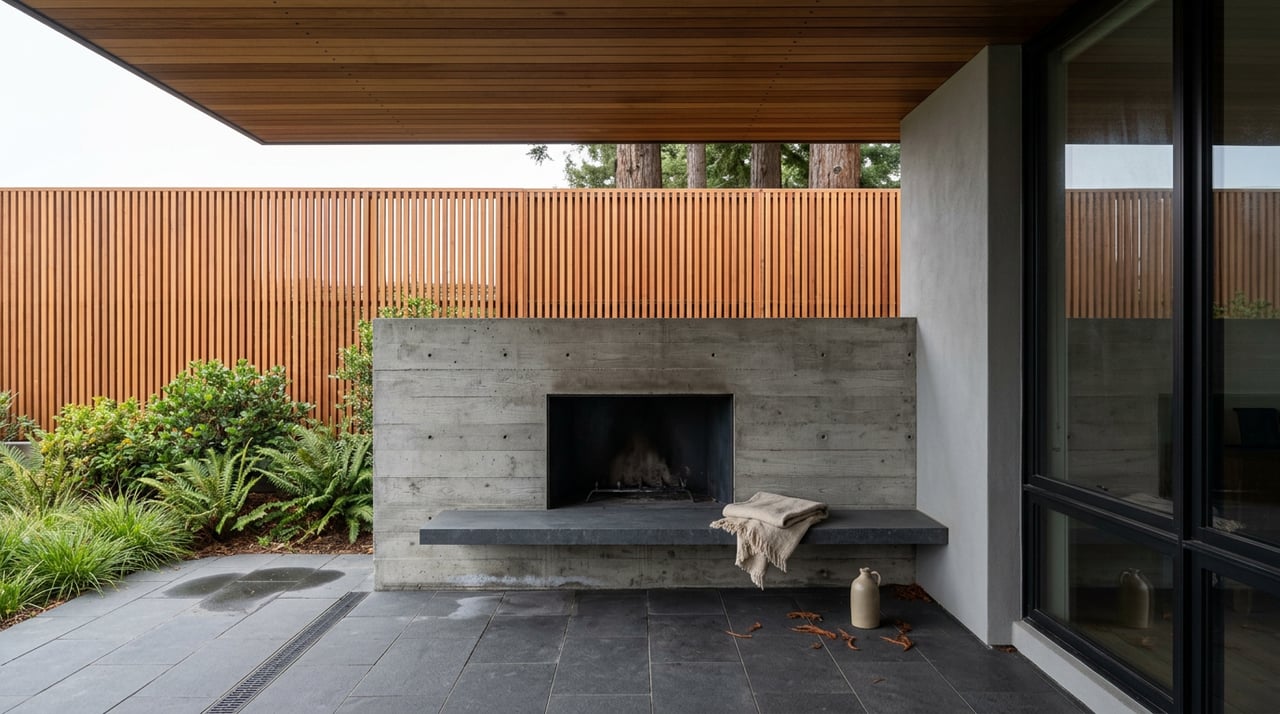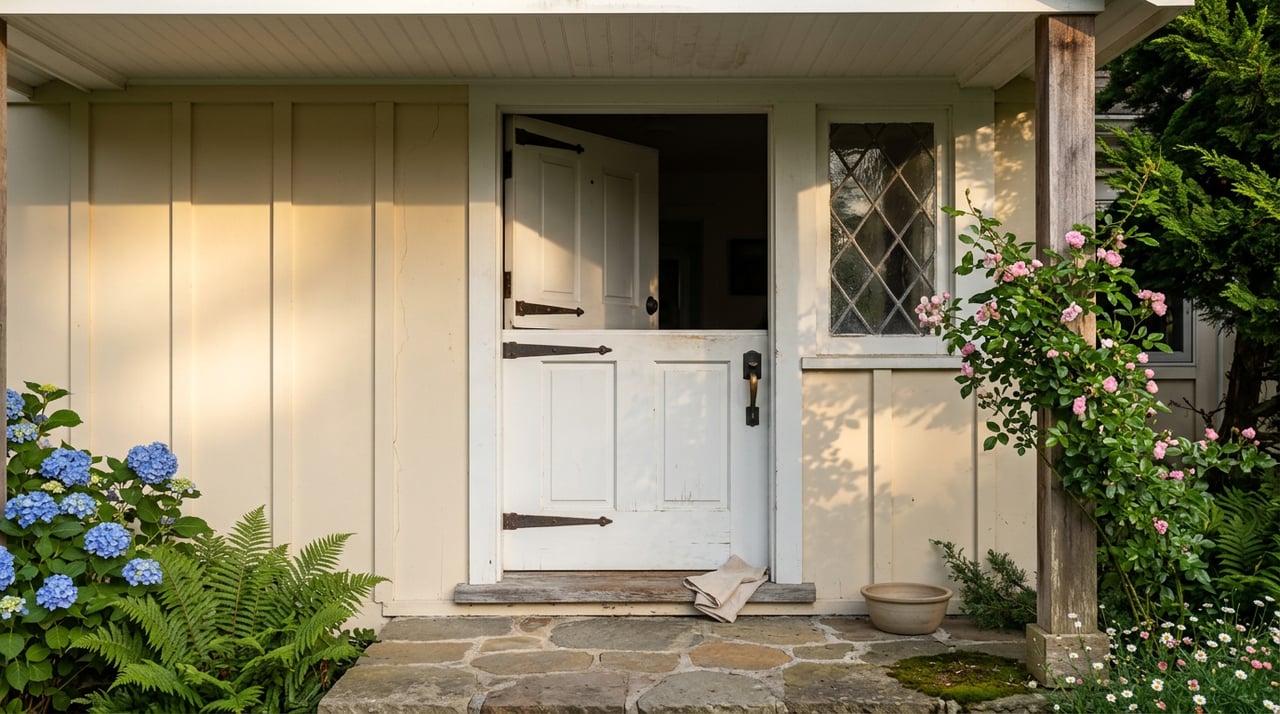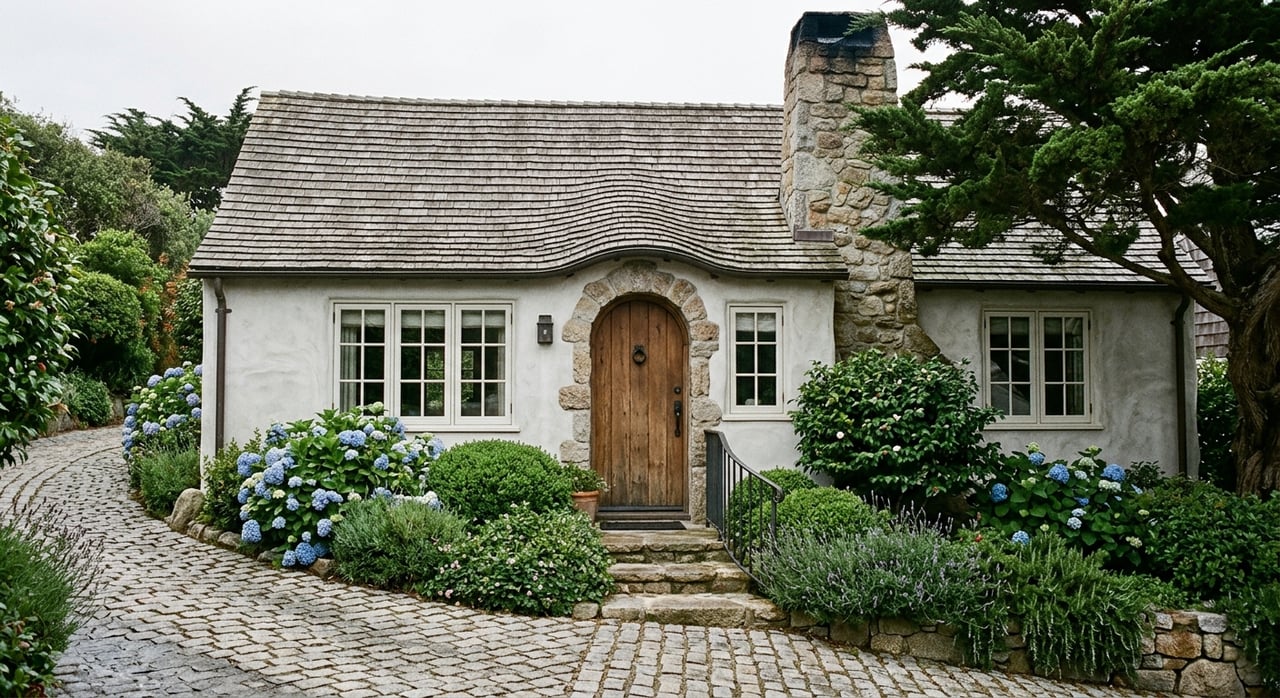
If you are drawn to places where daily life feels a little slower and more intentional, Carmel-by-the-Sea’s village enclave stands apart. In this compact coastal setting, you can move through much of the day on foot, with the beach, parks, galleries, dining, and cultural spaces all close at hand. For anyone considering a home in Carmel, understanding that rhythm matters, so let’s take a closer look at what everyday life here can actually feel like.
A Walk-First Village Routine
One of the clearest things that sets Carmel-by-the-Sea apart is its scale. The village core sits within a compact one-square-mile area where hotels, inns, restaurants, shops, galleries, tasting rooms, cultural attractions, and the beach are all within walking distance, according to official visitor and city materials.
That small footprint shapes the pace of daily life. Rather than planning your day around traffic, long drives, or sprawling commercial centers, you are more likely to park once and continue on foot. Carmel’s visitor guidance even encourages that approach, noting that downtown is best experienced as a walkable village.
Parking is available, but it does not dominate the experience. The city notes free 2-hour curbside parking on every block, several free unlimited-time locations, and a paid garage, which supports a car-light routine without making the area feel auto-centered.
Streets With Distinctive Character
Carmel’s village setting is also defined by the way it looks and feels at street level. The city’s historic context statement connects that character to the Arts and Crafts movement and to planning choices that work with the natural landscape rather than against it.
Roads are narrow and often curve around trees. Sidewalks in commercial areas are interrupted by trees and mini-parks, and many shops open to sidewalks or courtyards rather than standard retail strips, according to the city’s historic context update.
Several long-standing features add to that sense of place. Carmel is known for the absence of house numbers, residential sidewalks, parking meters, streetlights, and traffic signals in key parts of town. For many people, that creates a village atmosphere that feels less standardized and more closely tied to local history and design.
Architecture Shapes Daily Experience
In Carmel-by-the-Sea, architecture is not just something you notice on a weekend walk. It becomes part of everyday life. The city’s preservation efforts are designed to protect the community’s unique architectural and cultural identity, helping maintain the character that long defines the village.
Local landmarks and historic structures contribute to that experience. City and library materials highlight the legacy of Hugh Comstock cottages, along with places such as the Pine Inn and the Harrison Memorial Library, as part of Carmel’s architectural story.
For buyers who care about design, that consistency can be especially meaningful. Living in Carmel often means being surrounded by buildings, streetscapes, and public spaces that reflect a recognizable sense of craftsmanship and setting.
Errands Are Easy to Fold Into the Day
Daily errands in the village core tend to feel less like a separate task and more like part of a walkable routine. Because so much is concentrated within one square mile, you can combine practical stops with time outdoors or a relaxed meal in town.
That convenience is supported by a dense mix of local destinations. Carmel’s official arts and visitor resources note more than 50 art galleries, more than 60 restaurants, and 17 tasting rooms within walking distance in the village area, as described on Carmel California’s arts and culture page.
For second-home owners or retirees, that kind of layout can be a real advantage. It creates the possibility of a day that feels flexible and low-key, whether you are stepping out for lunch, picking up a few items, or lingering in town without a fixed schedule.
Dining and Wine in the Village
Carmel’s dining scene is woven into everyday village life. With more than 60 restaurants and 17 tasting rooms in walking distance, you have a wide range of options close by, whether you are meeting friends, planning a quiet dinner, or stopping in after a beach walk.
Official travel materials also note that local dining is strongly shaped by seasonal produce, Monterey Bay seafood, and other local ingredients. That gives the village food scene a sense of connection to the region rather than a one-size-fits-all approach.
Because everything is close, evenings can feel simple in the best way. You can head out on foot, enjoy dinner or a tasting room, and return home without turning the outing into a major plan.
Art and Culture Feel Ongoing
Carmel-by-the-Sea’s creative identity is not limited to a few isolated venues. It is part of the village rhythm. The concentration of more than 50 galleries within one square mile means art is part of the streetscape and part of ordinary afternoons in town.
Events reinforce that pattern throughout the year. Carmel’s official arts resources highlight recurring experiences such as the monthly Carmel Art Walk and the annual Meet the Makers gallery-and-wine event, which help make the arts feel integrated into local life rather than reserved for special occasions.
For people who value a culturally rich setting, this can be one of Carmel’s strongest draws. You do not have to go far to experience visual art, conversation, and changing exhibitions in the course of a normal week.
Beach and Parks Within Reach
Few places combine village living and coastal access as seamlessly as Carmel. The beach is not a distant destination from the village core. It is a regular part of the environment and, for many, a regular part of the day.
According to the city’s beach and parks information, Carmel Beach is maintained by staff and volunteers and includes nine access stairways from Scenic Road. The city also notes that dogs may be off leash on the beach when under voice control.
In town, quieter green spaces add another layer to daily life. Devendorf Park at Junipero and Ocean is described by the city as a place to sit, eat lunch, or take a nap, and Carmel includes nine formally designated park, open space, and recreational areas.
Library and Civic Stops Matter
A livable village is about more than restaurants and shops. It also depends on civic spaces that support a more grounded day-to-day experience. Carmel offers that through amenities like the Harrison Memorial Library at Ocean and Lincoln and the Park Branch Local History Department at Mission and 6th.
These places bring a sense of continuity to village life. Whether you are browsing, researching local history, or simply enjoying a quiet stop in town, they provide an alternative rhythm to the more social parts of downtown.
That mix is part of what makes Carmel appealing for buyers seeking a full lifestyle rather than a single amenity. The village core can support both active afternoons and quieter routines within the same walkable setting.
Evenings With Live Performance
Cultural life in Carmel extends beyond galleries and into live performance. Sunset Center describes itself as a nonprofit performing arts center presenting live music, theater, dance, and more, while also housing resident companies such as the Carmel Bach Festival, Carmel Music Society, Chamber Music Monterey Bay, and the Monterey Symphony.
That matters because it expands what a local evening can look like. Instead of leaving the area for cultural programming, you can stay close to home and still enjoy a performance-based night out.
For many second-home buyers and full-time residents alike, that kind of access adds depth to village living. It supports a lifestyle that feels both relaxed and culturally engaged.
What Daily Life Often Feels Like
Taken together, the most compelling feature of Carmel-by-the-Sea’s village enclave is how naturally the pieces fit. The town’s compact scale, pedestrian orientation, concentrated amenities, and longstanding design character support a routine that feels easy to navigate and pleasant to repeat.
In practical terms, that may look like a morning walk near the sand, a midday stop in town, an hour spent browsing a gallery or library, and an evening dinner or performance, all without traveling far. That lifestyle takeaway aligns with official responsible travel guidance, which reflects the village’s walkable and low-key structure.
If you are considering a home in Carmel-by-the-Sea, lifestyle is often just as important as the property itself. To explore village homes, cottages, or other distinctive opportunities with a trusted local perspective, connect with Michele Altman.
FAQs
What makes daily life in Carmel-by-the-Sea’s village core feel walkable?
- Carmel-by-the-Sea’s village core is compact, about one square mile, with restaurants, galleries, tasting rooms, shops, cultural venues, and the beach all within walking distance.
What is unique about the streets in Carmel-by-the-Sea?
- Carmel’s streets are known for narrow, tree-shaped routes, courtyards, mini-parks, and the longstanding absence of features like streetlights, traffic signals, and house numbers in key areas.
What arts and culture options are available in Carmel-by-the-Sea?
- Official resources note more than 50 art galleries in the village, recurring events like Carmel Art Walk, and live performances at Sunset Center.
What outdoor spaces are part of everyday life in Carmel-by-the-Sea?
- Carmel Beach, Devendorf Park, and the city’s other designated park and open space areas all contribute to a lifestyle that blends village convenience with outdoor access.
Why do buyers consider lifestyle so important in Carmel-by-the-Sea?
- Carmel’s appeal often comes from how easily daily routines can include walking, dining, beach access, art, and cultural activities within a compact village setting.