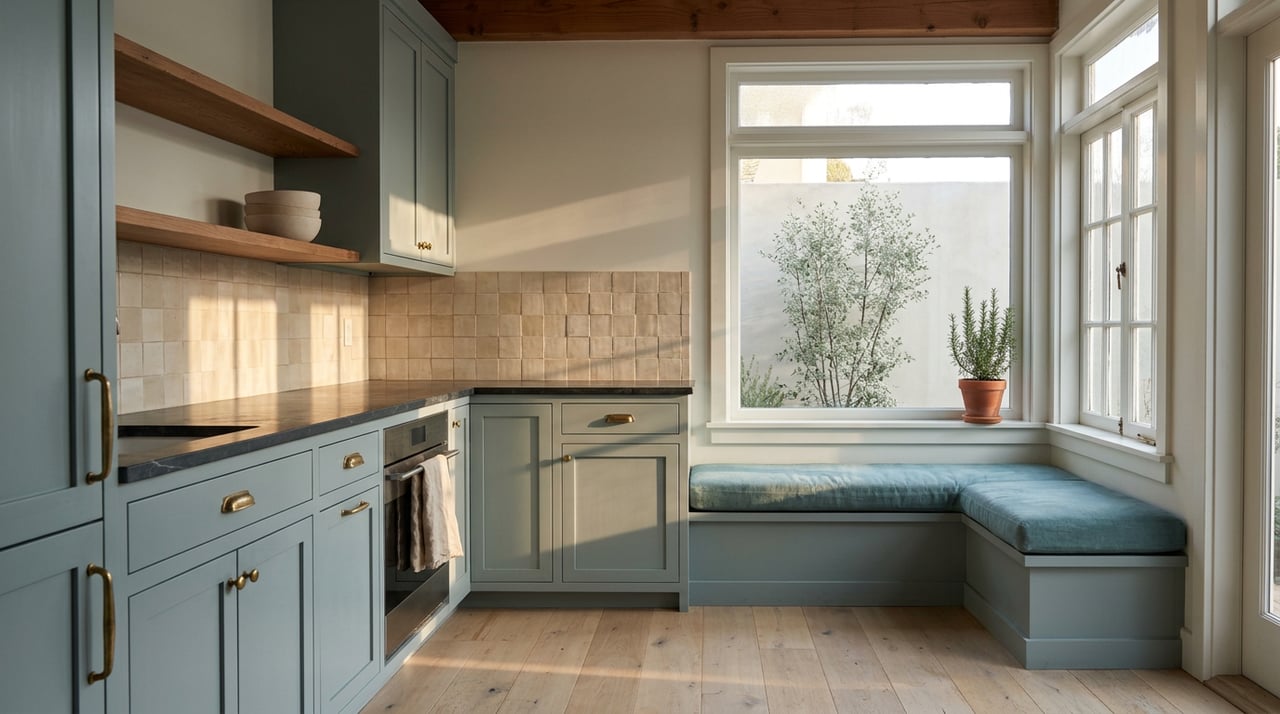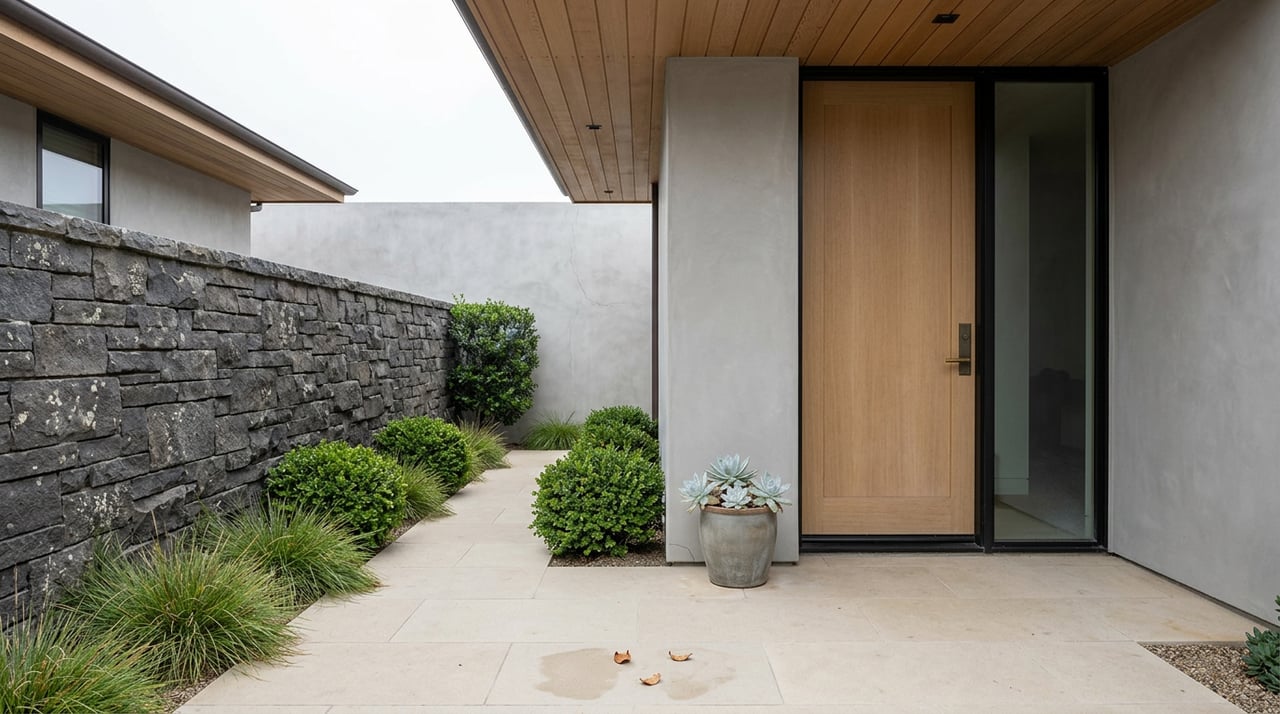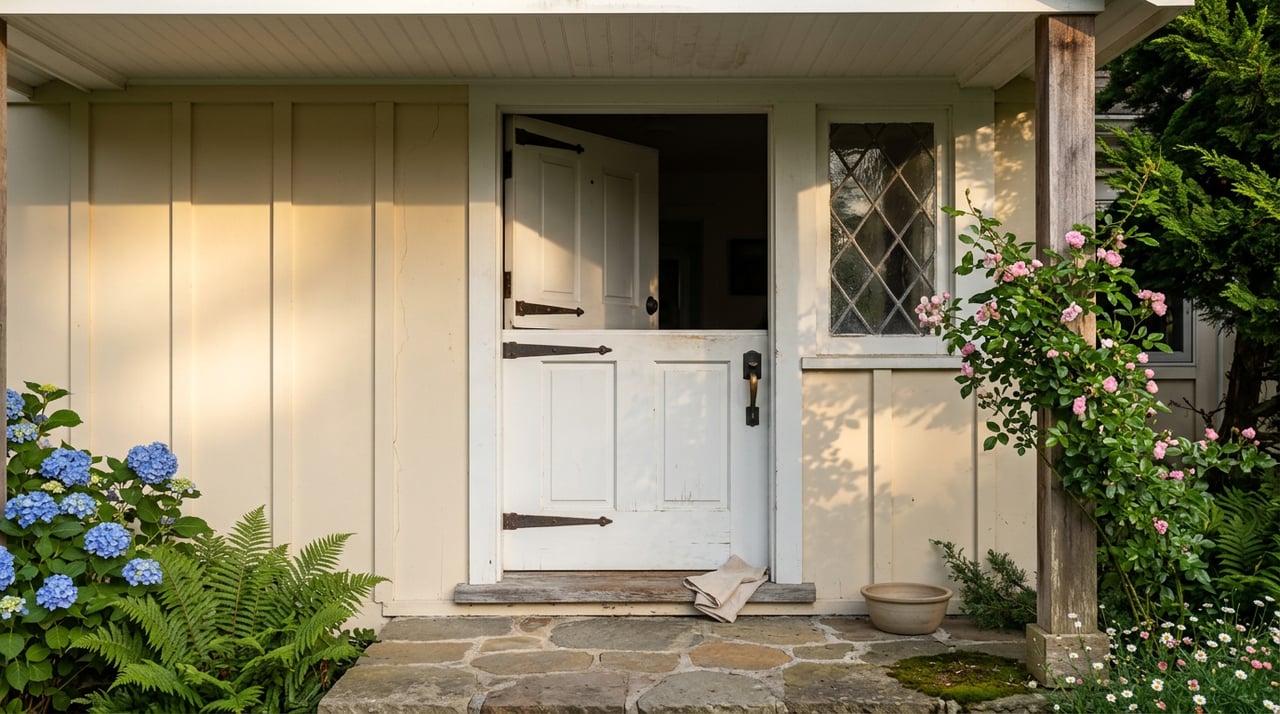
If you own a storybook cottage in Carmel-by-the-Sea, preparing it for market is rarely as simple as fresh paint and a few new light fixtures. In this market, buyers respond to charm, craftsmanship, and setting, but the City’s design rules and California’s disclosure requirements also shape what makes sense before you list. With the right plan, you can protect the home’s character, avoid unnecessary missteps, and present it with the kind of polish that supports a strong launch. Let’s dive in.
Why Carmel prep is different
A Carmel-by-the-Sea cottage lives in a market and a regulatory environment that is highly specific to the village. In March 2026, Carmel was a seller’s market, with 21 homes for sale, a median listing price of $4.18 million, median days on market of 49, and homes selling for about asking price on average.
That sounds encouraging, but it does not mean every home should be prepared the same way. Public pricing snapshots vary widely by method, with Zillow reporting an average home value of $2,364,653 on March 31, 2026, while Redfin reported a $4.4 million median sale price for March 2026. For a storybook cottage, value depends heavily on character, location, lot quality, and documentation, not just size.
Carmel also sits entirely within the coastal zone and operates under a certified Local Coastal Program. That matters because exterior work is often not just a style decision. It can also be a compliance issue.
Start with records, not renovations
Before you schedule repairs or order materials, pull the property file and permit history. The City’s Planning Division keeps files on every property and provides access through its GIS map, which can help you confirm what has been documented over time.
This step can shape nearly every prep decision. If an old addition, exterior alteration, or window change is undocumented, you want to know that before the home hits the market. It is much easier to build a thoughtful strategy when you understand the file first.
For many sellers, this is where the real preparation begins. Instead of making a broad renovation list, you can sort updates into three buckets: necessary and straightforward, worth evaluating further, and best left for disclosure and pricing strategy.
Check historic status early
In Carmel, age and architectural character can trigger additional review. If the cottage is historic, or even simply older than 50 years, the City may require a historic evaluation before exterior permits are issued.
That is a major reason to avoid rushing into exterior changes. If a property is found to be historic, it cannot be demolished, and additions or alterations must align with the Secretary of the Interior’s Standards. For a seller, that means restoration-minded decisions often carry less risk than generic modernization.
This is especially important with cottages that derive value from their original details. Buyers looking at a Carmel cottage are often drawn to authenticity, and City standards reinforce that preference.
Focus on authenticity in staging
The best staging plan for a storybook cottage usually highlights architecture, natural light, and a sense of restraint. You are not trying to make the home look generic or overly updated. You are helping buyers understand what makes it distinct.
That often means letting handcrafted elements, cozy proportions, and layered textures do the work. A cottage can feel elevated without losing its soul, especially when presentation supports the home’s original style instead of competing with it.
In a market like Carmel, authenticity is part of the value story. A polished launch should make the home feel cared for, not overly altered.
Protect original window character
Windows deserve special attention. Carmel’s Planning Division notes that changes to window materials, size, or placement require approval, and it identifies unclad wood windows with external divided lights as the local standard. Vinyl windows are not considered appropriate.
For sellers, that points to a clear prep principle. If windows need attention, restoration and maintenance may support the cottage’s presentation better than a rushed replacement plan. Buyers who appreciate Carmel architecture often notice these details immediately.
Use light, not demolition, to open spaces
Older cottages can feel smaller or darker than newer homes, but that does not automatically mean you should pursue structural changes before listing. Because most exterior alterations require Design Study approval, and many residential changes may also need Planning Commission review, major modernization may not be realistic on a listing timeline.
Instead, improve how the home reads through editing, furnishings, and careful presentation. A room can feel brighter and more spacious when sightlines are clean and the design stays true to the home’s scale.
Refresh curb appeal the Carmel way
Curb appeal in Carmel is typically subtle. The City encourages front right-of-way areas to remain natural and informal, often with native drought-tolerant landscaping, and it prohibits items such as boulders, gravel, no-parking signs, planters, and other structures in the right-of-way.
So if you are preparing the front approach, think maintenance over spectacle. Neat planting, healthy ground cover, clear paths, and unobstructed sightlines usually fit the local character better than hard-edged landscape statements.
That understated approach often works beautifully for cottages. It helps the home feel settled into its setting, which is part of Carmel’s visual appeal.
Think layered privacy, not tall barriers
If privacy is a concern, avoid assuming a bigger fence is the answer. Carmel’s fence guidance favors a filtered, low-profile look, with front-yard grape-stake or wood picket fencing encouraged, front fences generally limited to 4 feet, garden walls to 3 feet, and side or rear fences to 6 feet.
New fencing within the 15-foot front-yard setback requires a Design Study Permit. In practical terms, that means privacy is often better achieved through layered landscaping and a thoughtful showing plan than by trying to build a visual barrier at the front.
Be careful with trees
Trees affect both light and privacy, but canopy work can also involve City rules. The Planning Division notes that pruning or removing larger limbs and trees may require permits, and pruning public trees is generally prohibited without City coordination.
If branches are affecting presentation, do not assume you can solve it quickly with aggressive trimming. Check the rules first, then decide whether the work is appropriate before the home goes to market.
Triage deferred updates carefully
Every older cottage has a short list of items that could be improved. The key is choosing updates that reduce friction without creating new permit or disclosure issues.
Because most exterior alterations require review in Carmel, and many changes to a residence may also involve the Planning Commission, sellers should be selective. Handle what is necessary and clearly permitted, but do not treat pre-listing prep like a full modernization project unless you are prepared for a longer process.
A useful way to evaluate deferred maintenance is to ask three questions:
- Does this item affect safety, function, or immediate buyer confidence?
- Is the work clearly supportable based on City rules and property history?
- Is it better addressed through disclosure and pricing rather than pre-sale construction?
This approach helps you avoid investing time and money in updates that may not improve marketability in a meaningful way.
Build your disclosure strategy early
In California, disclosure is not something you leave until the last minute. The Transfer Disclosure Statement must be provided to the buyer as soon as practicable and before transfer of title, and both the seller and broker participation are part of that process.
California’s disclosure framework also requires listing and selling brokers to conduct a reasonably competent and diligent visual inspection and disclose material facts that affect value, desirability, and intended use. For a Carmel cottage, that makes early preparation especially valuable.
If you know the permit history, understand the home’s condition, and have already considered which updates are being completed versus disclosed, the listing process tends to feel much more controlled.
Include natural hazard review
Natural hazard disclosures are also part of the California package. These include wildfire-related designations, earthquake fault zones, and seismic hazard zones.
If a reasonable person cannot determine with certainty whether the property falls within a mapped zone, the disclosure form calls for “YES” unless an expert report shows otherwise. That is one more reason to assemble your documentation well before launch.
Price the cottage by its story
A storybook Carmel cottage should not be priced off county-wide averages or a basic price-per-square-foot shortcut. Monterey County’s median single-family sales price was $957,750 as of June 2025, which is far below Carmel’s published listing and sale-price levels.
That gap is a reminder that Carmel is its own micro-market. A cottage’s pricing should reflect location, architecture, lot quality, condition, permit history, and how convincingly the home is presented to the right buyer pool.
Realtor.com reported that Carmel homes sold for about asking price on average in March 2026. That suggests a well-prepared, well-positioned property can be received strongly without relying on dramatic underpricing.
Presentation supports pricing power
For a distinctive cottage, pricing and preparation work together. When buyers see a home that feels authentic, documented, and thoughtfully presented, they are often better able to understand its place in the market.
That is why pre-listing strategy matters so much in Carmel. You are not just preparing rooms. You are shaping the home’s narrative, reducing uncertainty, and supporting a pricing position that reflects scarcity and character.
Plan showings with discretion
Privacy is often a major concern for luxury sellers in Carmel-by-the-Sea. Given the City’s frontage and fencing preferences, privacy is usually best protected through showing strategy rather than a fortress-style approach.
Controlled access, careful scheduling, and a white-glove presentation plan can help preserve the home’s intimacy while still exposing it to qualified buyers. For many cottages, that balance feels more natural and more effective than trying to physically screen the property in ways that may not suit the setting.
A smart launch sequence
If you are getting ready to sell, the strongest path is usually straightforward. Confirm historic and permit status, organize disclosures, complete only the updates the City is likely to accept, and then price the home according to its specific story.
That kind of launch respects both the market and the property itself. In Carmel, the homes that stand out are often the ones that feel most authentic, most considered, and most clearly understood from day one.
Preparing a storybook cottage for market takes more than cosmetic polish. It takes judgment, local awareness, and a presentation strategy that honors what makes the home special while reducing avoidable risk. If you want a discreet, design-aware plan for bringing your Carmel cottage to market, connect with Michele Altman.
FAQs
What makes preparing a Carmel-by-the-Sea cottage different from preparing other homes?
- Carmel cottages often require a more careful approach because the City’s coastal-zone rules, design review standards, and potential historic evaluation requirements can affect exterior updates before listing.
Should you renovate a Carmel cottage before selling it?
- Not always. In many cases, it is better to confirm permit history, evaluate City review requirements, and focus on necessary, supportable improvements rather than starting broad exterior renovations.
Do older Carmel cottages need a historic evaluation before exterior work?
- They may. The City states that if a property is historic, or simply older than 50 years, a historic evaluation may be required before exterior permits are issued.
How should you handle windows in a storybook Carmel cottage?
- Carefully. Carmel notes that changes to window materials, size, or placement require approval, identifies unclad wood windows with external divided lights as the local standard, and says vinyl windows are not appropriate.
What should sellers know about disclosures for a Carmel cottage in California?
- Sellers should prepare early because the Transfer Disclosure Statement must be delivered as soon as practicable, and natural hazard disclosures and visual inspection-related disclosures can also affect the listing process.
How should you price a storybook cottage in Carmel-by-the-Sea?
- Pricing should rely on Carmel micro-comps and the home’s specific attributes, including character, location, lot quality, condition, and documentation, rather than county-wide averages or a simple price-per-square-foot formula.