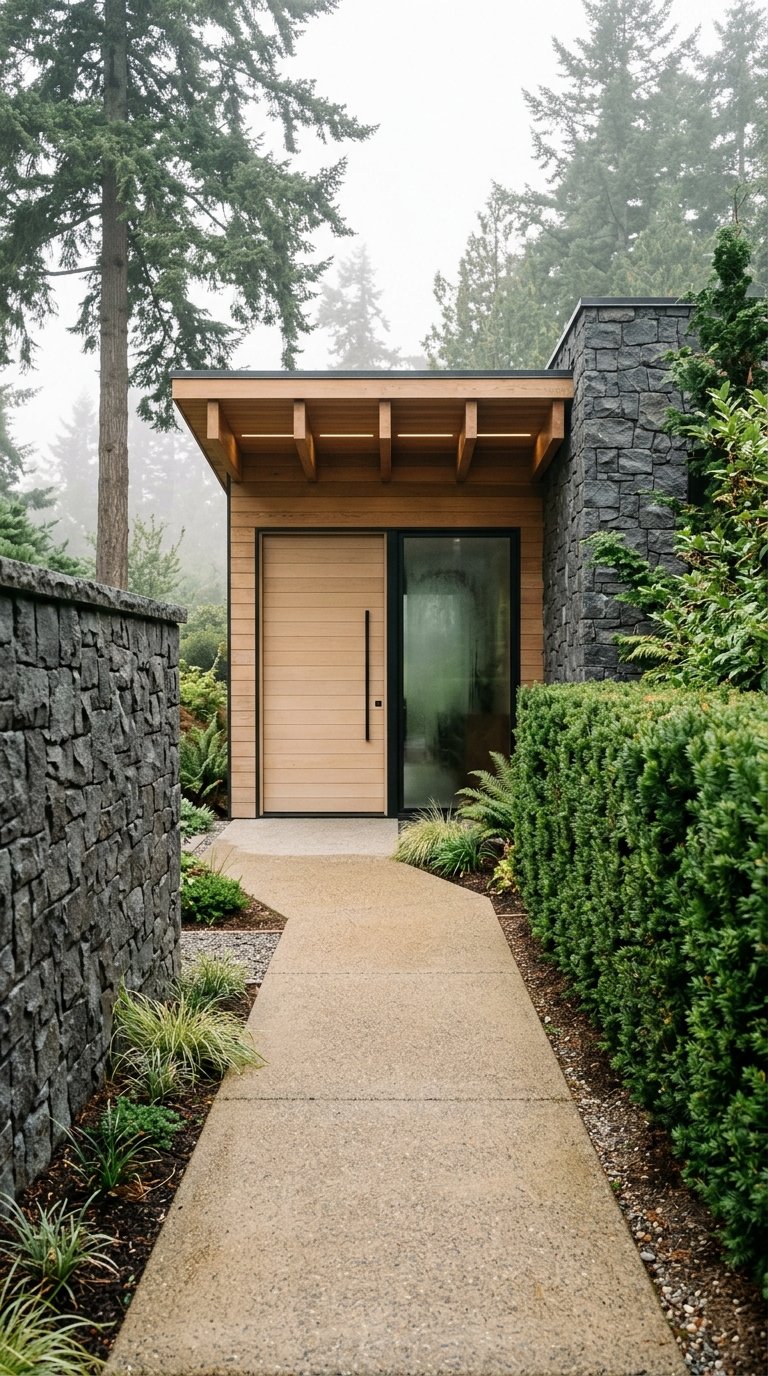
If you are thinking about selling a Pebble Beach estate, privacy may be just as important to you as price. That is understandable in a market where homes often represent years of stewardship, design decisions, and personal history. The good news is that you do not have to choose between discretion and a strong launch. With the right preparation, pricing, and showing strategy, you can bring your property to market in a way that feels controlled, polished, and compliant. Let’s take a closer look.
Why discretion matters in Pebble Beach
Pebble Beach is not a typical housing market. Recent data place the median sale price in roughly the $4 million to $4.5 million range, with days on market commonly stretching from about 55 to 113 days depending on the source and month. Q1 2026 data from Sotheby’s International Realty reported a $4.05 million median sales price, 90 days on market, 19 closed sales, and 35 active listings.
That pace matters if you want a quiet launch. In a higher-value market with a smaller buyer pool, privacy can absolutely be protected, but the process still needs to be deliberate. A discreet listing works best when it is carefully prepared and realistically priced, not simply kept out of view.
Pebble Beach has a unique local backdrop
Pebble Beach is an unincorporated coastal community in Monterey County within the Del Monte Forest area. That means county coastal planning rules, not city rules, shape most land-use questions. For sellers of larger estates, this can affect how you think about exterior preparation before the home ever reaches the market.
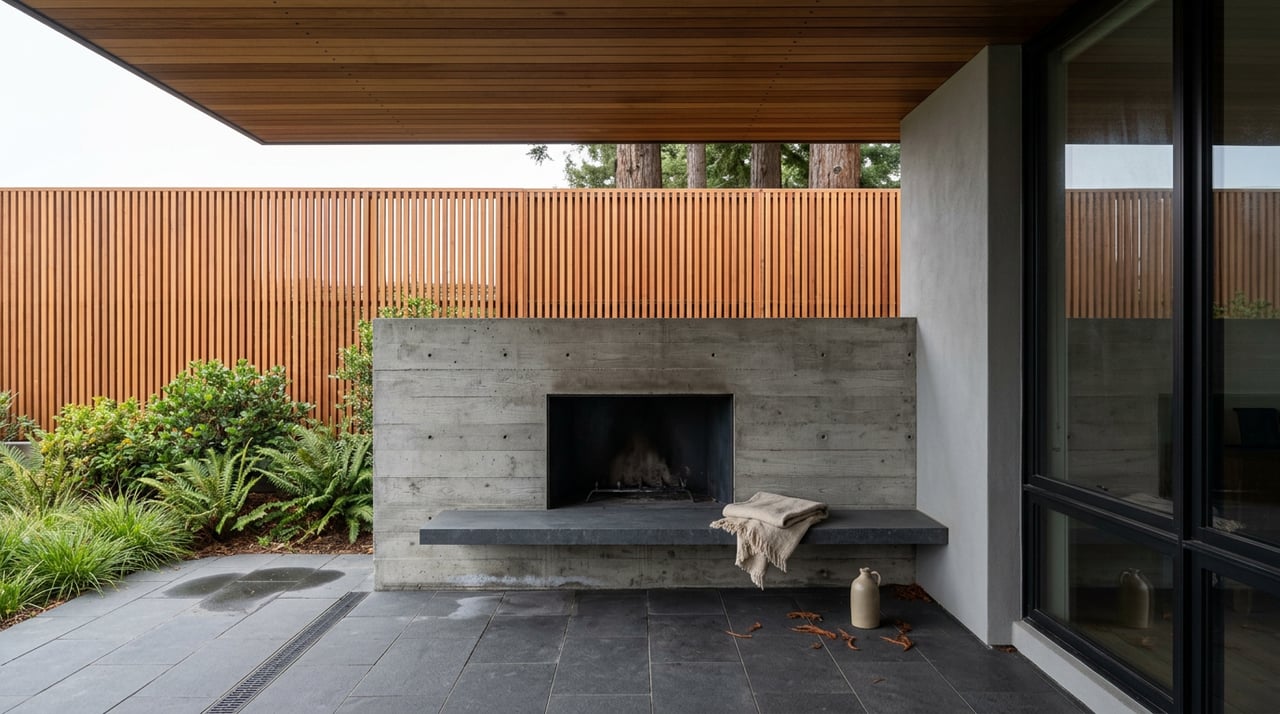
If your pre-sale plan includes landscape edits, tree work, or other exterior changes, it is wise to proceed carefully. County records for Del Monte Forest indicate that forest-management plans are required when development or tree removal would require a Coastal Development Permit. In practical terms, even cosmetic outdoor work may deserve a closer look before you schedule photography or showings.
Start with presentation, not publicity
A discreet sale does not mean minimal preparation. In fact, when public exposure is limited, every detail of the presentation matters more. Buyers who are invited into a private showing or a controlled release expect the home to feel complete, intentional, and ready.
Staging remains important at the luxury level. In the National Association of Realtors 2025 staging survey, 83% of buyers’ agents said staging made it easier for a buyer to visualize the property as a future home. The same survey found that 29% said staging their sellers’ homes led to a 1% to 10% increase in the dollar value offered.
The most commonly staged rooms were the living room, primary bedroom, and dining room. For an estate property, those spaces often shape a buyer’s first emotional impression. A refined, edited presentation can support both privacy and value by helping the home feel inviting without feeling overly personal.
Prepare the home with privacy in mind
Before the first showing, it helps to think of preparation in two layers: market readiness and personal security. Both matter when the property is distinctive and the seller prefers a low-profile process.
NAR seller guidance recommends several practical steps before listing:
- Schedule a pre-sale inspection
- Deep clean and declutter
- Gather repair or replacement estimates
- Locate warranties and manuals
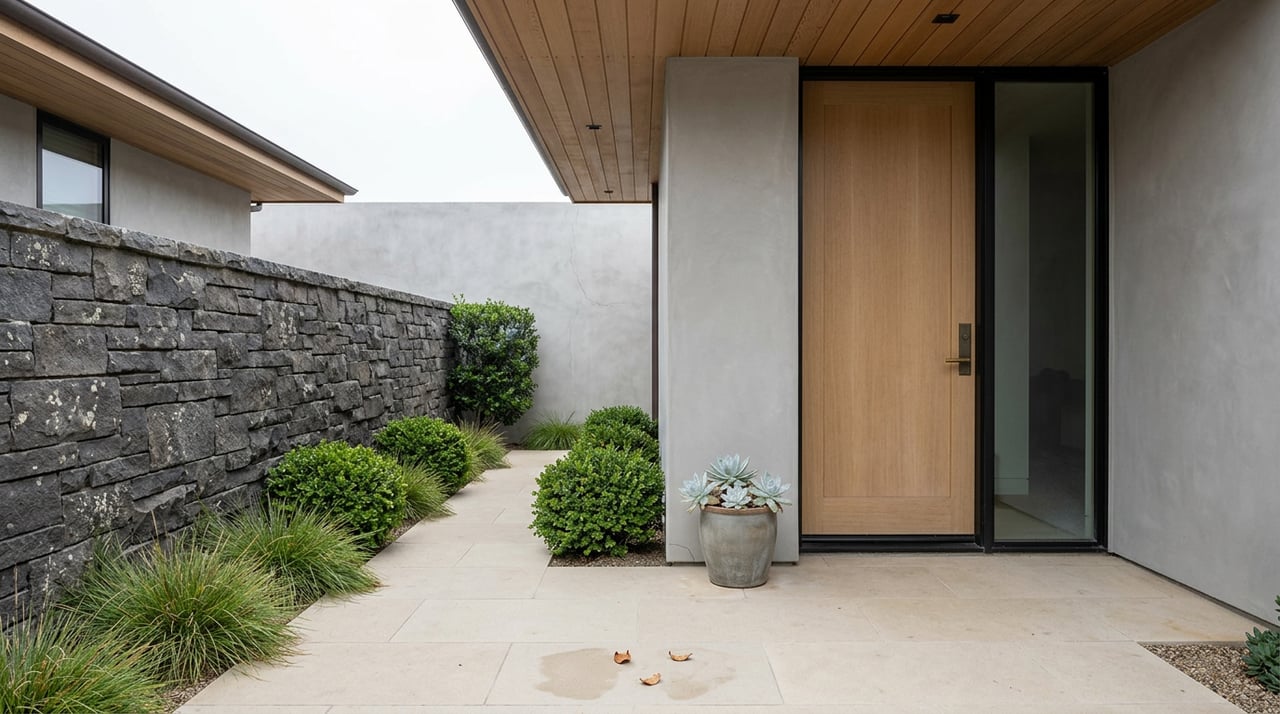
- Improve curb appeal before showings begin
A pre-sale inspection can be especially useful in a discreet sale. It gives you time to address issues on your own schedule, reduce surprises during buyer inspections, and lower the chance that a contract falls apart later.
Privacy prep is equally important. NAR safe-listing guidance recommends removing valuables and personal information from view, including jewelry, electronics, medications, firearms, family photos, calendars, and diaries. The goal is simple: your home should feel welcoming to qualified buyers without putting your private life on display.
Use photography carefully
In a market like Pebble Beach, visuals can do a great deal of work before a buyer ever steps inside. At the same time, you may not want every detail of the property broadly circulated online from day one. That is where controlled visual strategy becomes valuable.
If virtual staging is used, it should not mislead buyers. NAR notes that when photos materially alter a property, the enhancement should be disclosed. For a design-conscious estate, polished imagery should clarify the home’s potential, not create confusion about what is actually there.
Price for a quiet launch
One of the biggest mistakes in a privacy-first sale is assuming discretion can compensate for overpricing. It usually cannot. If anything, a smaller pool of early buyers makes price discipline even more important.
NAR seller guidance recommends pricing at the lower end of the realistic range, comparing true comps, accounting for competition and contingencies, and remembering that homes priced more than 3% over the correct price tend to take longer to sell. It also recommends getting the home market-ready at least two weeks before showings begin.
That advice fits Pebble Beach well. Compared with the broader Monterey Peninsula, Pebble Beach is a much higher-priced and slower-absorbing market. If you want a controlled launch rather than a long public campaign, your list price should be grounded in current closed sales and active competition, not in past peak pricing or a private target number.
Choose the right launch structure
Discretion in real estate is not just about who hears about the property. It is also about how the listing is handled within the rules that govern marketing and MLS distribution. This is where many privacy-minded sellers benefit from clear guidance.
NAR’s Multiple Listing Options for Sellers policy recognizes two privacy-oriented structures. One is an office exclusive, where the seller directs that the home not be publicly marketed and not be disseminated to other MLS participants. The other is a delayed marketing listing, where public syndication through IDX and other feeds is postponed for a local period. Both options require seller certification acknowledging that MLS benefits are being waived or delayed.
That distinction matters because MLSListings is the regional MLS for Monterey County, and it says its data feeds sites such as Zillow, Trulia, and Realtor.com. In other words, your MLS decision has a direct impact on how much public visibility your estate receives online.
It is also important to understand the boundary between private and public marketing. Under NAR’s Clear Cooperation Policy, within one business day of marketing a property to the public, the listing broker must submit it to the MLS. Public marketing includes yard signs, public-facing websites, brokerage website displays, email blasts, multi-brokerage listing networks, and public apps.
For many Pebble Beach sellers, the most practical path is a controlled sequence:
- Complete preparation and documentation
- Test pricing against current comparable sales
- Share the property narrowly with the right agents or qualified buyers
- Expand exposure only if broader competition supports your goals
That sequence is not a formal rule, but it reflects the realities of a privacy-first strategy in a market like this.
Keep showings selective and structured
A discreet listing should still feel easy for the right buyer to access. The key is not secrecy for its own sake. The key is controlled access.
NAR’s safe-listing guidance notes that many REALTORS® ask sellers to show homes only to buyers who are pre-qualified or properly identified. It also recommends a showing process that keeps the seller from interacting directly with unknown visitors.
That can be especially helpful for estate properties. A structured plan may include scheduled private appointments, limited showing windows, and clear communication through your listing representative rather than through direct inquiries to the household.
Privacy does not remove compliance
A quiet sale still has to follow the same legal and disclosure standards as any other transaction. Privacy can shape the marketing strategy, but it does not change your obligations as a seller.
California’s Department of Real Estate states that buyers are legally entitled to disclosures including the Transfer Disclosure Statement and Agency Relationship Disclosure. The California Geological Survey also states that sellers must disclose mapped seismic and earthquake-fault hazards when applicable.
Fair housing rules apply as well. HUD states that it is illegal to discriminate in housing-related advertising or transactions because of race, color, national origin, religion, sex, familial status, or disability. Marketing language for a discreet sale should stay factual, property-focused, and free of any preference or limitation.
Why the right listing partner matters
In Pebble Beach, a discreet launch asks more of your representation than a standard listing does. You need more than general marketing. You need judgment about pricing, polish in presentation, and a clear understanding of local rules and exposure options.
NAR reports that sellers place high value on an agent’s ability to market the home, price competitively, and sell within a specific timeframe. In a coastal estate setting, those priorities should be paired with local luxury experience, familiarity with Pebble Beach and the Monterey Peninsula, and a thoughtful approach to private or delayed marketing.
That combination helps protect what most sellers care about most: your time, your privacy, and the value of a one-of-a-kind property.
If you are considering a discreet sale in Pebble Beach, the strongest strategy is usually not to make the property invisible. It is to make the launch precise. With thoughtful preparation, realistic pricing, controlled exposure, and steady guidance, you can bring an estate to market in a way that feels both private and effective. To discuss a tailored approach for your property, connect with Michele Altman.
FAQs
How can you sell a Pebble Beach estate privately?
- You can pursue privacy-oriented options such as an office exclusive or a delayed marketing listing, while also using controlled showings, limited distribution, and careful preparation.
What is the Pebble Beach real estate market like for sellers?
- Recent 2026 data place Pebble Beach around a $4 million to $4.5 million median sale-price range, with days on market often running longer than the broader Monterey Peninsula market.
Does a discreet Pebble Beach listing still need staging?
- Yes. Staging can help buyers visualize the property and may support stronger offers, especially in key spaces like the living room, primary bedroom, and dining room.
What should you remove before showing a Pebble Beach home?
- Sellers should remove valuables and personal information from view, including jewelry, electronics, medications, firearms, family photos, calendars, and similar private items.
Do Pebble Beach sellers still have to provide disclosures in a private sale?
- Yes. California disclosure requirements still apply, including the Transfer Disclosure Statement and Agency Relationship Disclosure, along with seismic or earthquake-fault hazard disclosures when applicable.
Can outdoor prep in Pebble Beach require extra review?
- Yes. Because Pebble Beach is in Monterey County’s unincorporated Del Monte Forest area, some exterior changes, tree work, or landscape edits may involve additional coastal or forest-management review.